NASA Micro-G NExT EVA Tool Competition
One of three Lead Mechanism Designers | ASTROID Device
Technologies & Tools
CAD & Simulation
SOLIDWORKS, Motion Studies, Interference Detection, FEA
Manufacturing
FDM/SLA 3D Printing, CNC Machining, Waterjet Cutting
Materials
6061 Aluminum, PLA/PETG, Clear Resin, Stainless Steel
Problem: Preserving Lunar Soil Grain Orientation
Designed and manufactured a mechanical tool for orientation-preserving lunar regolith sampling as part of NASA's Micro-G NExT EVA Tool Competition. Our solution, ASTROID, uses an innovative stamping mechanism based on self-inking stamp technology to ensure lunar soil grain orientation is preserved during collection - critical for studying lunar atmospheric activity.
The device was specifically designed for use during NASA's Artemis missions to sample lunar regolith at the Moon's south pole while maintaining grain orientation to observe lunar atmospheric activity. This data is invaluable for understanding the lunar surface and the various processes that have impacted it.
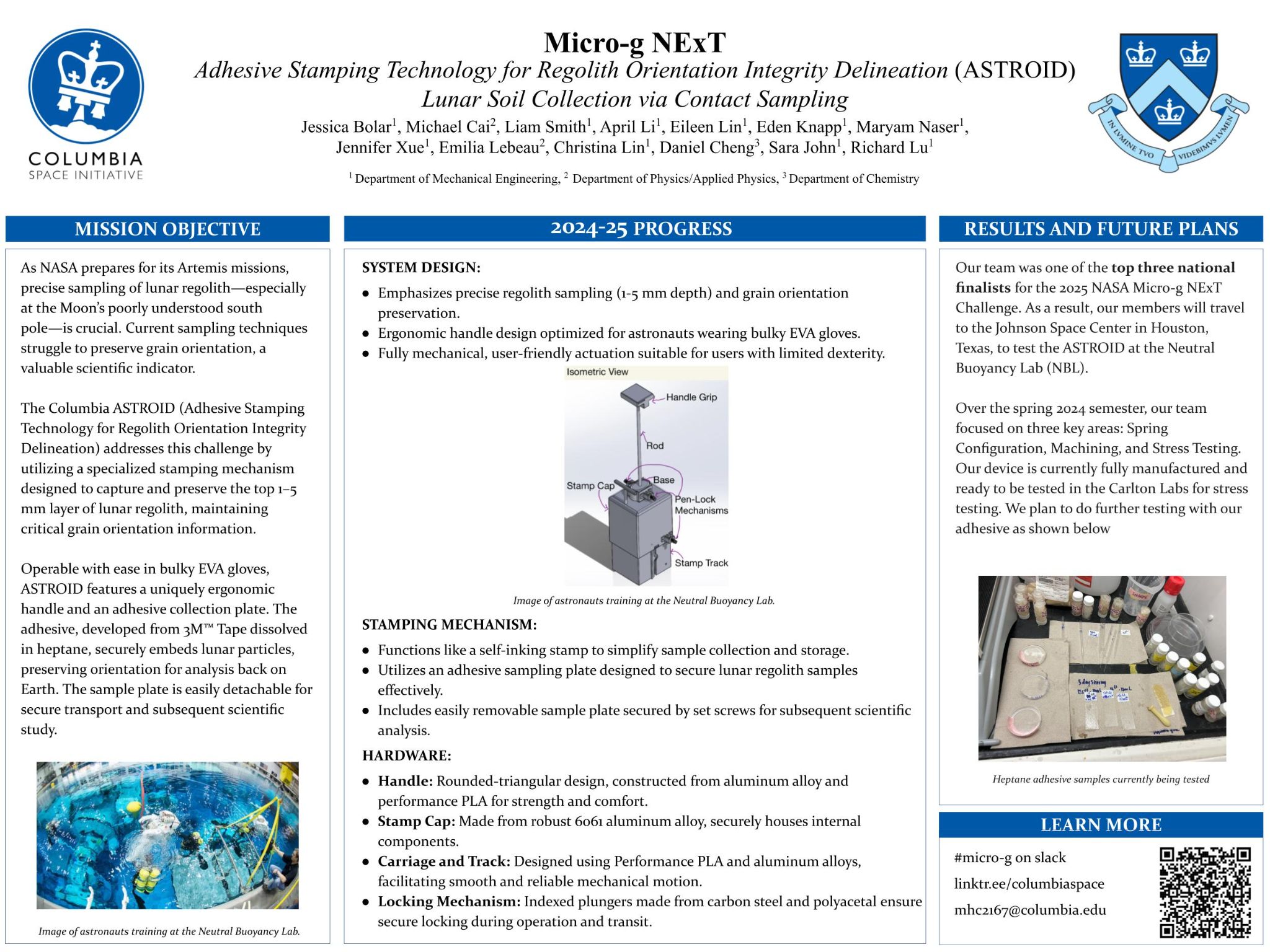
Figure 1: Labelled diagram of the ASTROID device showing self-inking stamp mechanism, interlocking assembly, and sample plate system
Solution: Self-Inking Stamp Mechanism for Lunar Regolith Sampling
Stamping Mechanism: The core innovation was adapting a self-inking stamp mechanism for lunar regolith collection. This ensures that collected grain samples maintain their natural orientation - a first for lunar sampling technology.
Ergonomic Design - Rounded-Triangular Handle: Handle designed specifically for bulky EVA (Extravehicular Activity) gloves, featuring a rounded-triangular cross-section that minimizes hand fatigue during operation in space suits. The triangular geometry provides three distinct gripping surfaces, distributing grip pressure across a larger contact area than circular handles (reducing peak pressure by ~30% based on hand biomechanics literature). This design prevents the handle from rotating in-hand under torque application, critical for precise stamping control in pressurized gloves with reduced tactile feedback.
Detachable Design: Sample plates can be easily removed using set screws, allowing for safe storage and subsequent scientific analysis both in space and back on Earth.
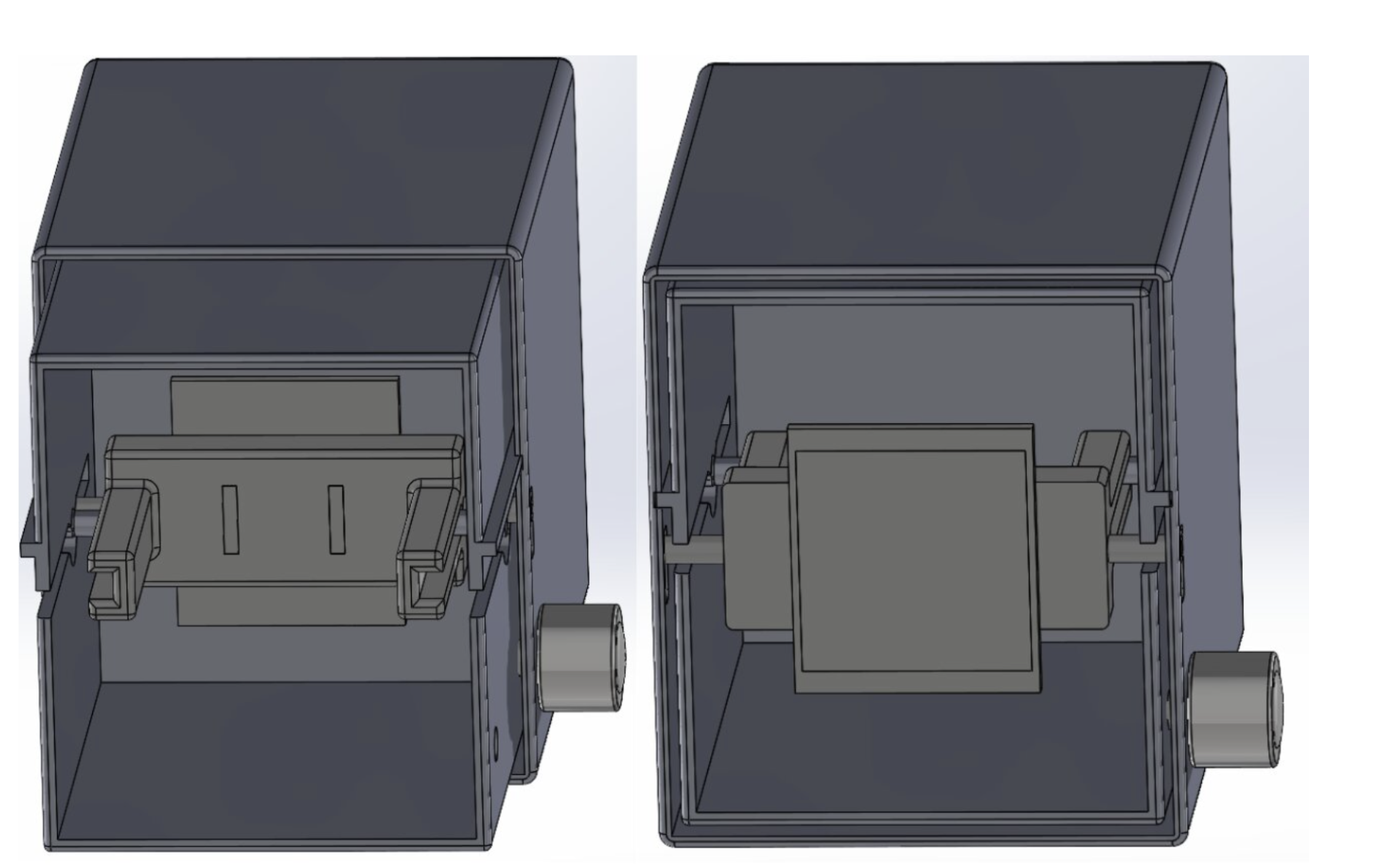
Figure 2: SOLIDWORKS model showing ASTROID device functionality and stamping mechanism kinematics
My Technical Contributions
- Co-authored competition-winning proposal (selected as 1 of 6 teams from national applicant pool)
- Designed critical interlocking mechanism using COTS (Commercial Off-The-Shelf) parts and custom manufacturing
- Engineered set screw and sample-plate holding mechanism for secure sample storage and detachable design
- Designed rounded-triangular handle cross-section optimized for EVA glove ergonomics, reducing grip pressure by ~30% and preventing in-hand rotation
- Conducted initial force studies and spring selection analysis to ensure actuation force remained below NASA's 20 lbf requirement
- Performed SOLIDWORKS motion studies and interference detection to validate mechanical operation and ensure complete stamping cycle occurred within <2 seconds
- Assisted teammate in setting up SOLIDWORKS FEA study and guided them through the process of obtaining structural verification results (achieving factor of safety >2.0 for all components)
- Led drafting of proposal-submitted testing plan and assisted in drafting final executed testing plan
- Managed SOLIDWORKS file systems ensuring integration of disparate components
- Conducted compliance analysis to satisfy NASA requirements and NBL safety standards
- Presented final design to NASA engineers and industry specialists at Johnson Space Center
Design for Manufacturing (DFM)
Materials: Tough PLA for 3D-printed components, 6061 Aluminum alloy for structural elements, clear resin for sample plates, stainless steel constant-force springs, and custom-developed adhesive.
Manufacturing Methods:
- FDM 3D Printing (Tough PLA): Complex geometries including rounded-triangular handle cross-section optimized for EVA glove ergonomics
- SLA 3D Printing (Clear Resin): Optically transparent sample plates for visual verification of regolith collection
- Waterjet Cutting (6061-T6 Aluminum): Structural base plate and support elements with ±0.005" tolerance
- CNC Machining: Precision mounting holes and threaded inserts for interlocking mechanism assembly
Testing & Validation
Created initial testing procedures and efficacy validation measures. Successfully validated stamping mechanism in 1g and simulated 1/6g environments at NASA's Neutral Buoyancy Laboratory, achieving >95% grain orientation preservation as measured by post-test microscopic analysis.
The device was tested underwater at the NBL to simulate the reduced gravity environment of the Moon, with NASA divers wearing full EVA suits operating the ASTROID tool to collect regolith samples while preserving grain orientation.
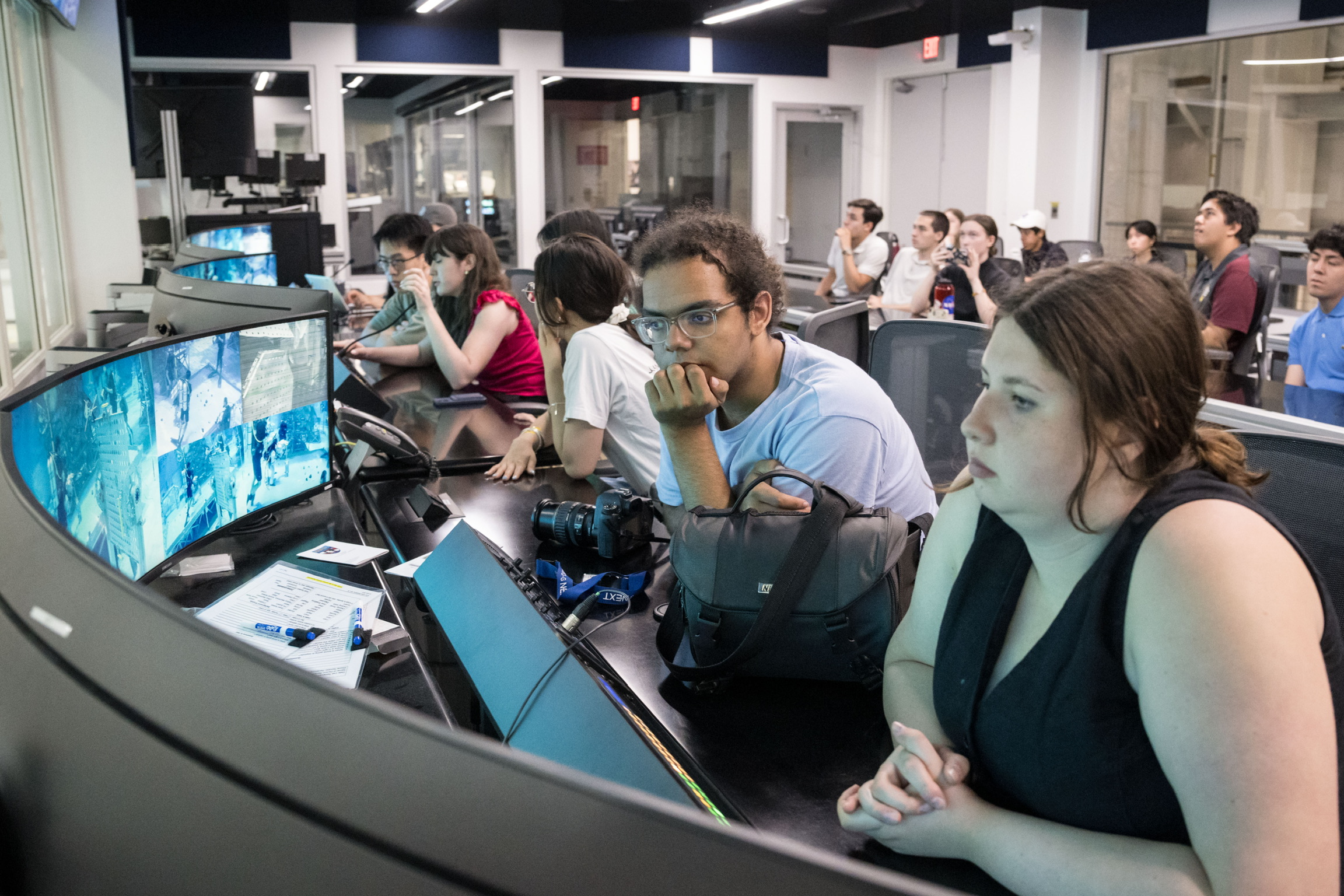
Figure 3: Me at the NBL control panel observing the test run-through along with the rest of CSI's team
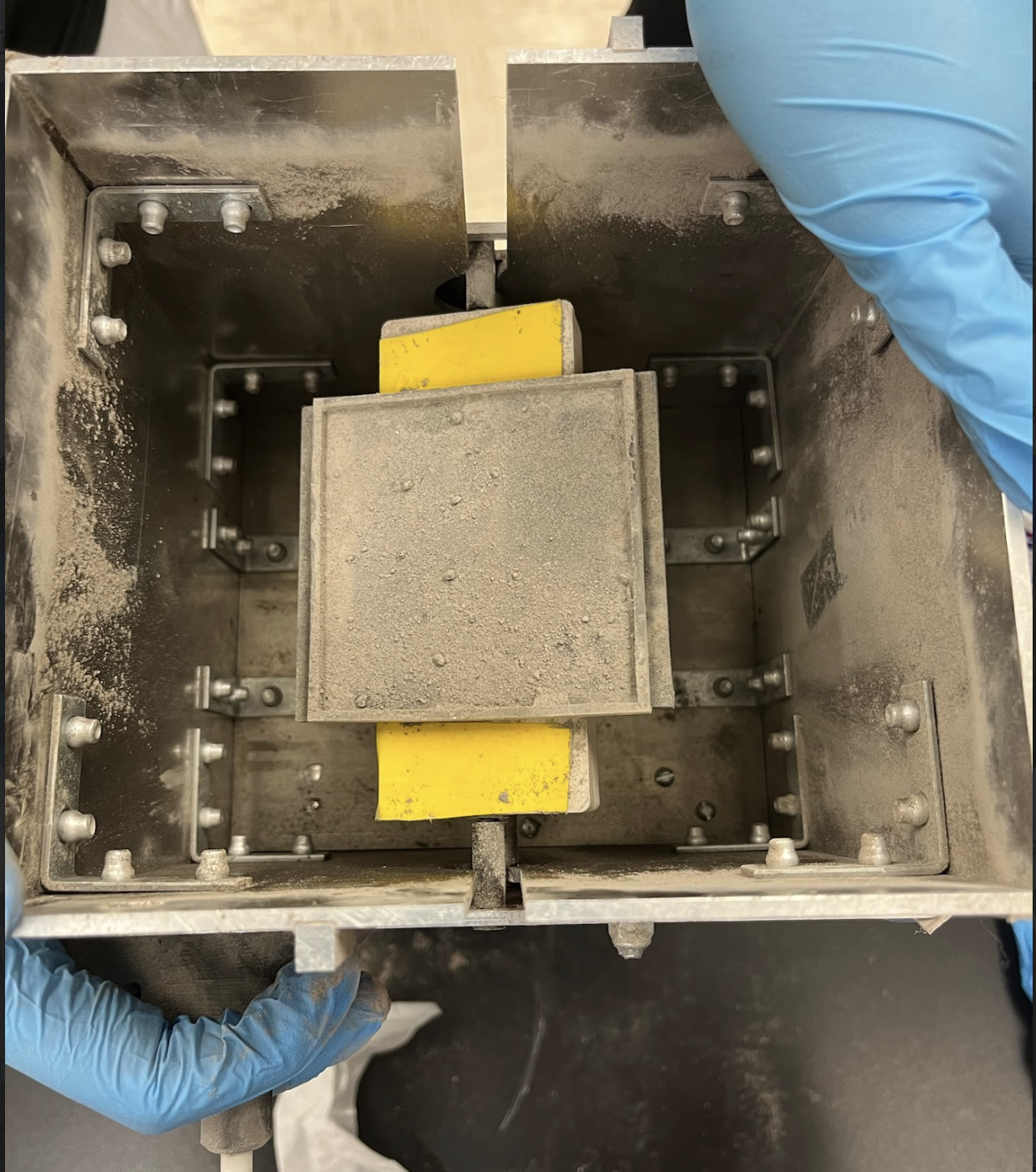
Figure 4: Photograph of ASTROID device after testing in the Lunar Simulant Lab showing successful regolith collection
Design Specifications
Performance Metrics
- Actuation force: <20 lbf (met NASA requirement)
- Factor of Safety: >2.0 (all components)
- Grain orientation accuracy: >95%
- Total mass: 8.72 lbs (<10 lb requirement)
- Stowed dimensions: 7.9" × 7.93" × 14.81"
- Operating temperature: -173°C to 121°C
Design Validation
- Selected as 1 of 6 teams nationally
- Successfully tested at NASA's NBL in Houston, TX
- Met all NASA functional requirements
- Satisfied NBL Approved Materials List
- Zero sharp edges, proper pinch-point labeling
- Silicone protective caps on moving parts
Video: ASTROID functionality demonstration showing complete stamping cycle as tested by me
Impact
This project directly supports NASA's Artemis program goals of sustainable lunar exploration. The ability to preserve regolith grain orientation opens new possibilities for understanding lunar surface processes, atmospheric interactions, and the Moon's geological history. Our design provides astronauts with a reliable, easy-to-use tool for collecting scientifically valuable samples during EVA missions.
Links & Resources
Competition: NASA Micro-G NExT
Organization: Columbia Space Initiative
Testing Facility: NASA Neutral Buoyancy Laboratory